

Revitup.Direct Blog
Boutique Hotels: What makes them different and why they are gaining ground
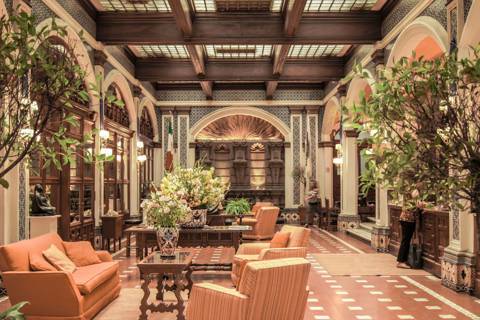
Travelers are no longer looking just for a place to sleep. They are looking for an experience worth telling.
Boutique hotels are at the center of one of the most compelling shifts happening in hospitality today. While major chains invest billions to acquire the boutique feel, independent hotels already have it.
In this article, we examine what defines a boutique hotel, how it differs from a conventional hotel, what guests are looking for today, and what challenges this type of hotel faces.
What is a Boutique Hotel?
The term boutique hotel emerged in the early 1980s as a reaction to the standardized hotels that dominated the American and global market. It is often defined by size, with an upper limit of around 100 rooms, though this definition does not fully capture the essence.
The real difference is not the number of rooms. It lies in a unique character, a clear philosophy, and an experience that could not exist anywhere else.
In many ways, the boutique hotel is a concept that existed long before it had a name. Every hotel with a distinct identity, local roots, and a human scale was, in the broader sense, a boutique. It is globalization and the expansion of large chains that made this kind of identity rare and, as a result, valuable.

How does a Boutique Hotel differ from a Conventional Hotel?
Size and atmosphere: The smaller scale creates a more intimate, personal atmosphere. The contrast with a thousand-room conference hotel is obvious: the larger the scale, the more impersonal the experience.
Service: Smaller operations allow for more personalized service. It is easier to remember the preferences of ten guests than a thousand. In large hotels, efficiency requires standardized processes that leave little room for the individual.
Design and character: Boutique hotels often have a distinctive aesthetic that reflects the local culture or history. This stands in contrast to the uniform design of chains, which is dictated by efficiency and scalability.
Offerings: Due to their smaller scale and specific location, boutique hotels can offer curated, locally sourced experiences, from the dining experience to the activities on offer.
In short, boutique hotels are more intimate and culturally immersive than conventional hotels. Which type serves a guest better depends on what they are looking for: authenticity and distinctiveness, or consistency and brand loyalty.
The Boutique Hotel Market
In 2024, the boutique hotel market was valued at 26.7 billion dollars and is estimated to reach 40 billion by 2030, with an annual growth rate of 7.2%. Growth is driven by rising demand for experiential travel and authentic, personalized experiences that differ from conventional hotel offerings.
The luxury segment remains strong, but the mid-scale boutique category is also growing rapidly, offering a distinctive experience at a more accessible price point.
Leisure travelers account for more than 70% of market revenues, but business travelers represent a growing segment. This is connected to the rise of bleisure travel, where professionals seek meaningful experiences at their destinations rather than simply functional accommodation.
What Guests look for in a Boutique Hotel
The Atmosphere
References to a hotel's "vibe" in guest reviews increased tenfold between 2023 and 2024. More than nine in ten travelers say that the atmosphere of a hotel is an important factor when booking, while 67% would pay more to stay in a hotel that matches their own aesthetic.
The atmosphere is not defined solely by interior design. Service emerges as the most significant factor in shaping it.
Local Authenticity
77% of travelers seek experiences that represent local culture. 73% would like the money they spend at a hotel to benefit the local community.
Boutique hotels are well positioned to deliver this kind of experience, precisely because their smaller scale allows for a deeper connection with their surroundings.
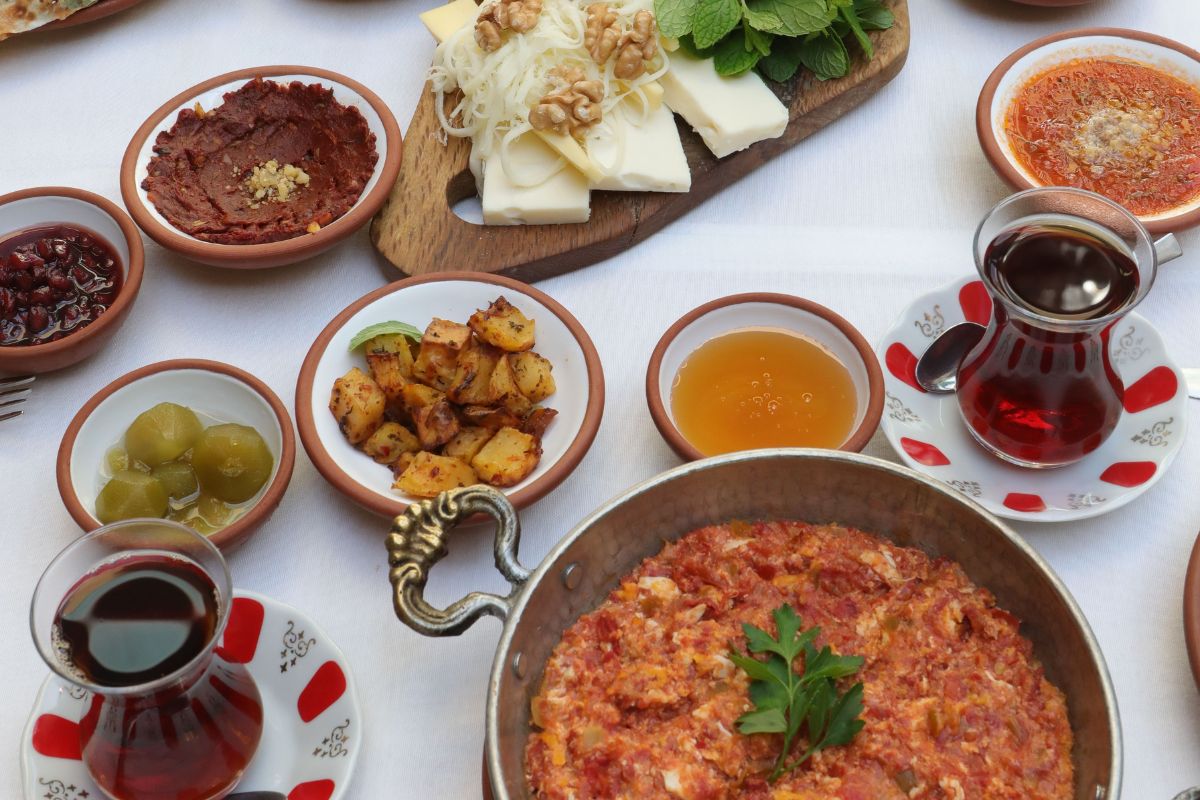
Personalization
Personalized experiences have become a baseline expectation for 71% of consumers. Delivering them has a direct positive impact on loyalty and revenue. Conversely, 63% of travelers say that the absence of personalization negatively affects their perception of a hotel.
Wellbeing
The global wellness market exceeds 6.3 trillion dollars and is growing at an annual rate of 10.2% through 2028, outpacing the broader hospitality market. 80% of travelers are willing to pay more for unique wellness experiences during their stay.
Boutique hotels are naturally aligned with this trend, since their focus on the individual, the local, and the authentic resonates with what wellness travelers seek.
The challenges of running a Boutique Hotel
The very characteristics that make boutique hotels appealing are often the same ones that make them difficult to operate.
Distribution and visibility: Independent boutique hotels rely more heavily on OTAs to gain visibility, as they lack the brand recognition or loyalty programs of major chains. OTA commissions can reach 30% or more, significantly squeezing already tighter margins. This is precisely why investing in a direct booking strategy is especially critical for this type of hotel.
Revenue management: The variety of room types and volatile demand make revenue management more demanding, as does the marketing required to faithfully communicate the uniqueness of each property.
Staff: Understaffing is a particularly critical issue for boutique hotels, as it directly undermines the personalized service that forms the core of their value proposition. Building a service culture from the ground up is not easy, but it is essential.
These challenges partly explain why many independent boutique hotels ultimately choose to affiliate with a soft brand collection or sell to a larger group, even if it means surrendering part of what made them unique in the first place.
The major chains are moving into the Boutique Hotel Market
The large chains have already recognized the value of the boutique model and are acting accordingly, both by acquiring independent boutique hotels and by creating their own lifestyle collections that imitate their aesthetic and spirit.
According to data from January 2026, the five largest hotel companies operate approximately 40 lifestyle brands, with a combined total of more than 2,000 hotels and around 350,000 rooms. These properties generate higher average daily rates and better margins compared to traditional hotels, as travelers increasingly gravitate towards stays that leave a lasting impression.
Can a major chain be a genuine Boutique Hotel?
The question remains open. Chains always bring some degree of standardization, from operations to service protocols. This can dilute the distinctiveness that made a boutique hotel appealing in the first place.
On the other hand, the marketing reach and distribution advantage of a global chain are things an independent hotel can rarely replicate on its own. The loyalty programs of chains like Hilton and Marriott offer direct access to millions of travelers, something a boutique hotel typically takes years to build.
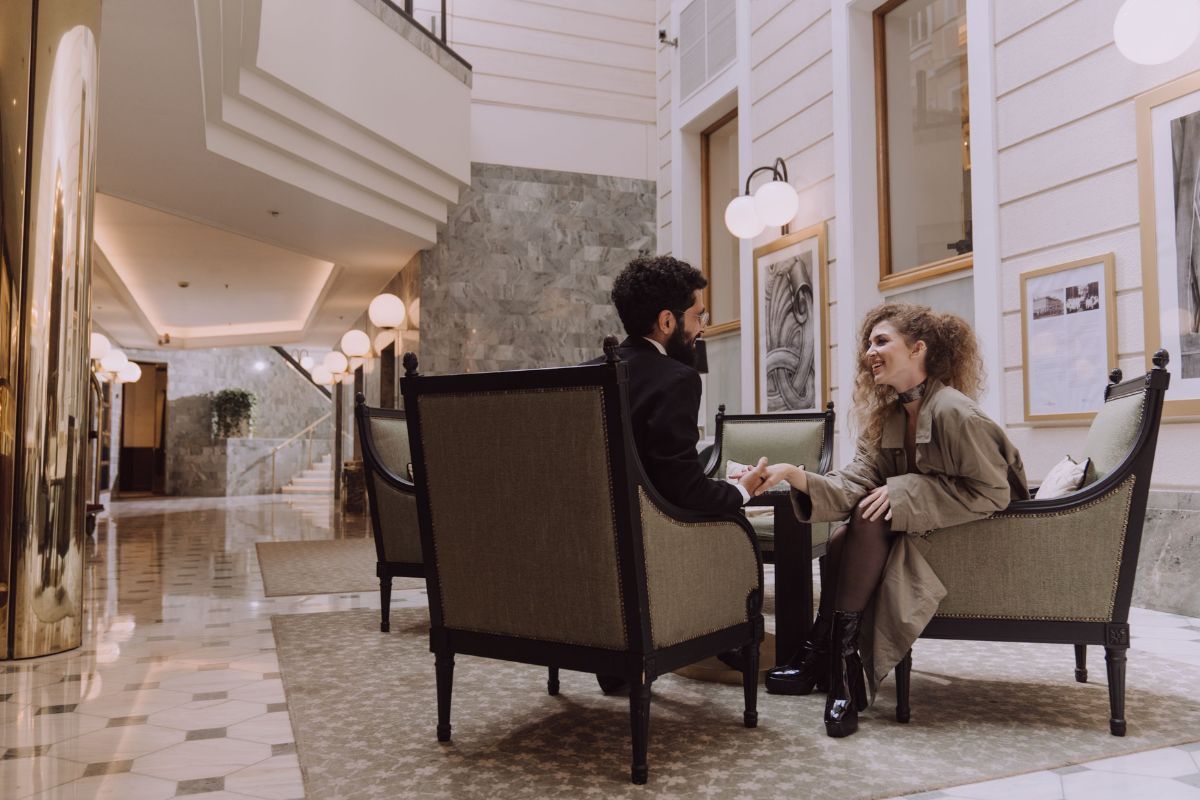
Some argue that the essence of a boutique hotel is precisely its independence. Others use the terms "boutique" and "lifestyle" interchangeably, regardless of ownership. The truth likely lies in execution: a branded hotel that maintains an authentic local identity and personalized service is fundamentally different from one that simply has attractive interiors.
The future of Boutique Hotels
Boutique hotels are naturally aligned with the trends shaping hospitality today: authenticity, personalization, wellness, local engagement. These are not passing trends. They are deeper shifts in the values of travelers.
However, the wave of acquisitions and consolidation will continue to put pressure on independent boutique hotels. As major chains expand their lifestyle portfolios, the word "boutique" risks acquiring the same vagueness that "luxury" has today: becoming a marketing term without meaningful distinction.
The hotels that will thrive in the long run are those that stay true to what made the boutique model compelling from the start: genuine local roots and personalized service that cannot be replicated at scale.
Conclusion
Boutique hotels are not simply a category of accommodation. They are a philosophy of hospitality that places the guest, the place, and the experience at the center.
In an industry that is growing rapidly and competing in ways more complex than ever, what distinguishes a boutique hotel cannot be bought or standardized. It is built slowly, with intention, by people who believe in what they do.
And that is precisely why the modern traveler seeks it out.
Running a boutique hotel and looking to build a strategy that leverages what makes it unique?
At RevitUp.Direct, we work with independent hotels that want to turn their character into a competitive advantage.